Restitution stories are often told as isolated events: how many objects, how much value, which country. The harder problem is structural—data is scarce, records vanish, and provenance remains opaque. MOLA (Museum of Looted Antiquities) proposes a public, peer-reviewed database built on open sources, designed to preserve restitution histories and reveal recurring trafficking patterns. This piece interviews its founder Jason Felch on what transparency can—and still cannot—change in museums and the market.
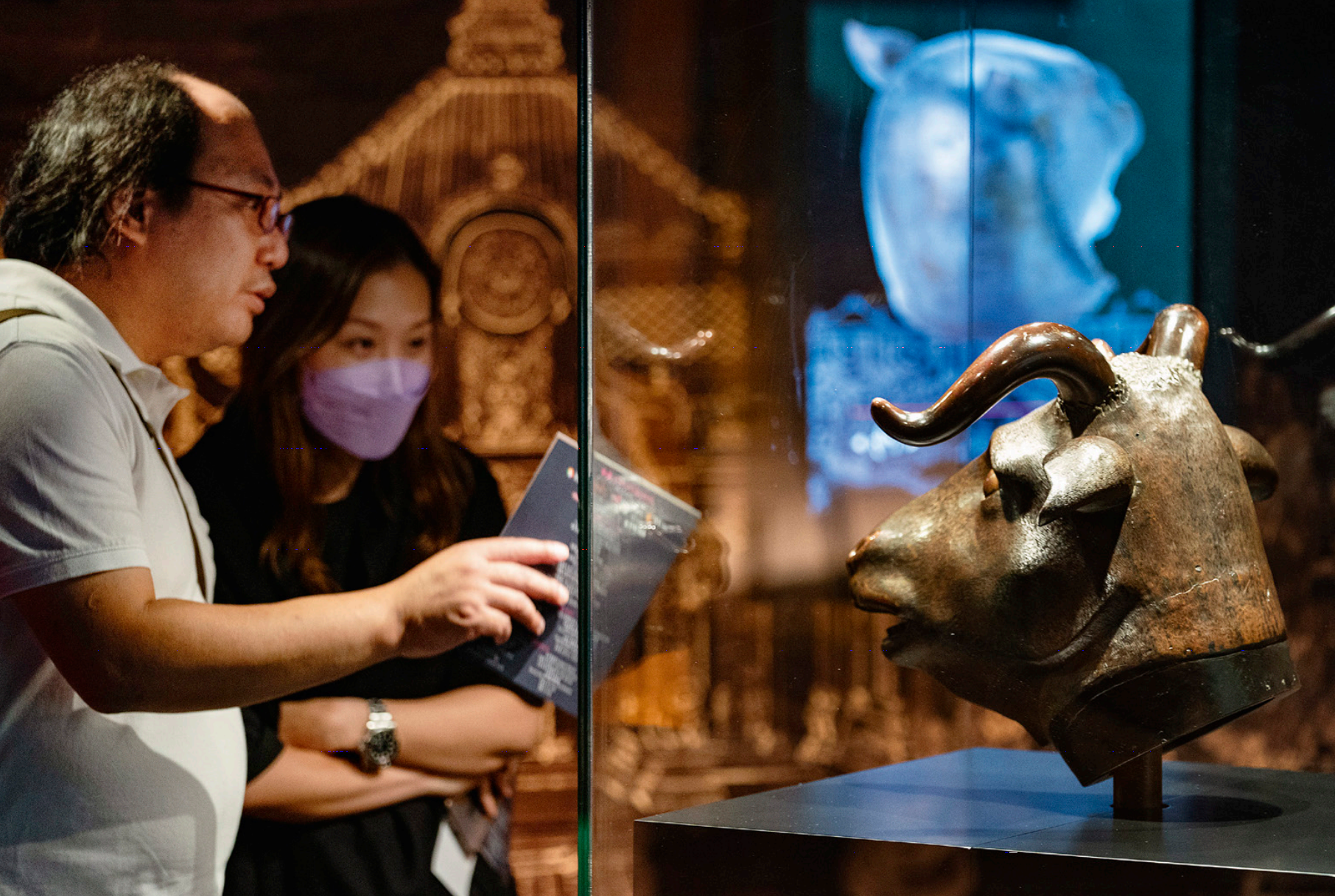
Figure: An increasing number of ordinary viewers are beginning to pay attention to the issue of the provenance of cultural relics.图:越来越多普通观众开始关注文物源流的问题
This piece follows a simple question: when looted antiquities circulate through museums, auctions, and private hands,
what does it take to “see” the network behind them? By speaking with journalist Jason Felch and tracing the logic of MOLA,
I treat metadata not as a technical footnote but as an investigative method—one that turns scattered restitution news into a readable map of trafficking.
“In the antiquities market, the middlemen are the most vulnerable link.”
Behind illicit antiquities is a vast network of looters spread across the world. Policing every archaeological site is nearly impossible, but stolen objects ultimately converge in a very small group—dealers and intermediaries—before entering the global art market. These middle layers connect the black market to wealthy buyers. Go after them, Felch argues, and you begin to expose the logistics of trafficking networks—and sometimes trace the chain further upstream into the world of collecting.
Felch notes that Greco-Roman antiquities are often treated as relics of a “dead” civilization. In South and Southeast Asia, however, many stolen objects come from active religious sites.
“When a dancing Shiva is returned to a community that still worships it, it is not just art—it is a god, a living god. The emotional stakes are fundamentally different,” Felch says.
That difference changes what looting means: the damage is not abstract. It disrupts living rituals and harms communities in the present tense.
节选三:MOLA 为什么要把零散故事变成数据集
Excerpt 3: Turning scattered stories into a dataset
Felch identifies a structural problem: despite the global scale of looting, even leading experts struggle to find reliable data to measure its severity, persistence, frequency, or economic value.
MOLA was created to fill that gap—an online database that documents restitution histories and preserves records that often vanish after an object is returned. By accumulating enough cases, the project aims to reveal the scale and patterns of the illicit market.
MOLA operates through a rigorous peer-review workflow: volunteers submit cases online, a professional team verifies them, and every entry must be traceable to clear public sources—prioritizing transparency and credibility.
What this demonstrates
它能证明什么
Investigative framing: turning restitution headlines into a traceable trafficking chain (actors, routes, incentives).
调查型框架:把“归还新闻”写成可追溯的走私链条(角色/路径/利益)。
Interview-driven analysis: extracting methodology (metadata, peer review, evidence standards) from a founder conversation.
访谈提炼能力:从创始人叙述中提取方法论(元数据、同行评审、证据标准)。
Systems thinking: comparing regions (Mediterranean vs. South/Southeast Asia) and how “living sites” change ethical stakes.
系统比较:对照地中海与南亚/东南亚语境,解释“活的宗教场所”如何改变伦理重量。
Research synthesis: connecting museum policy shifts (post-Getty, 1970 standard) with ongoing market loopholes.